Split ticketing, explained in two minutes
Why one journey split into three tickets is often cheaper — and why it is the same seat on the same train.
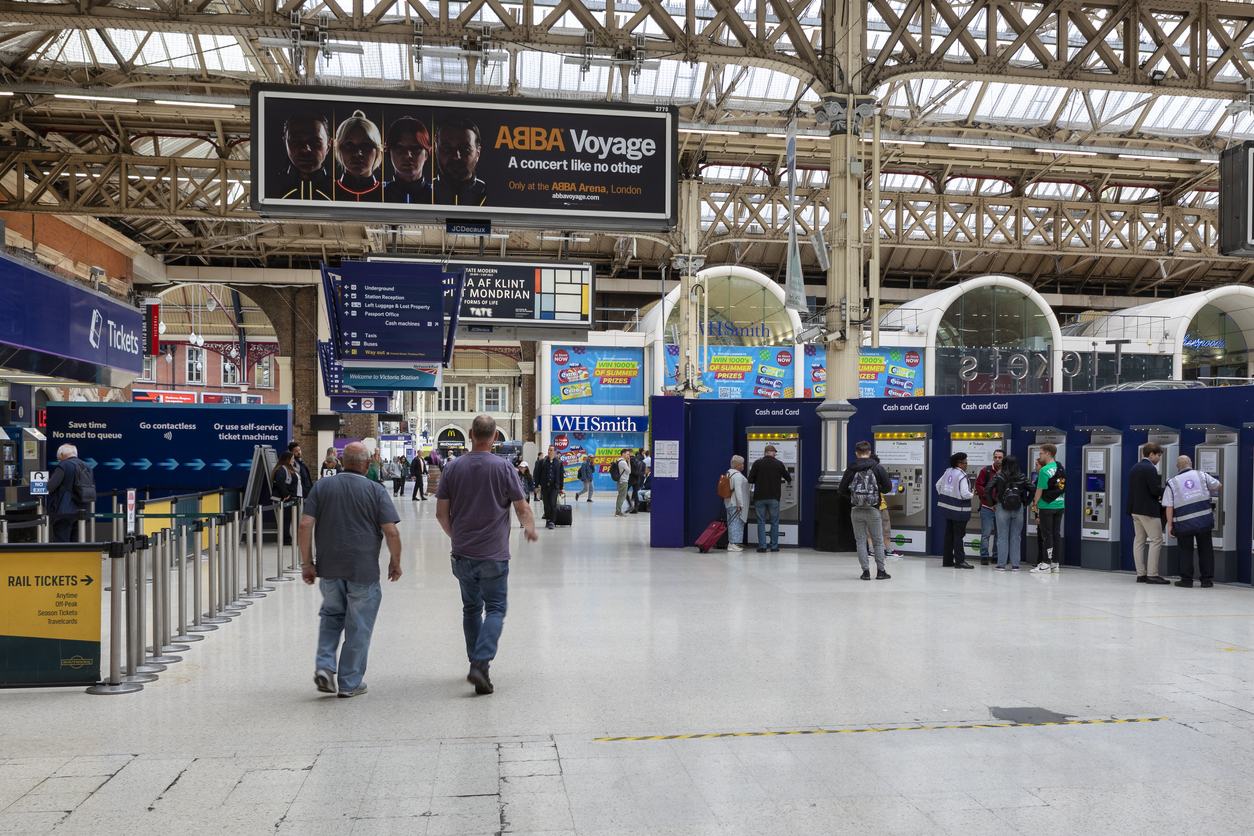
Buy one ticket from London to Manchester and you pay one fare. Buy a ticket from London to Milton Keynes, another from Milton Keynes to Stockport, and a third from Stockport to Manchester — for the same train, the same seat, the same journey — and you often pay less. Sometimes a lot less.
That is split ticketing. It is completely legitimate: the National Rail Conditions of Travel allow it, with one rule — the train has to call at the stations where your tickets split. You never leave your seat.
Why is it cheaper?
Fares are set per route, by different operators, with different rules about peak times and advance quotas. Those systems don't line up neatly, and the gaps between them are where split tickets live. A journey that crosses a peak boundary, or straddles two operators' pricing, can be much cheaper in parts than as a whole.
"The train has to call at the stations where your tickets split. You never leave your seat."
What we do with it
Every Raileasy+ search checks split combinations automatically. When a split beats the through fare, the saving is already in the package price you see — there's nothing to switch on, and your e-tickets arrive together as one booking. On the London–Manchester example above, splits currently save around £14 per person each way on a typical Saturday.
One thing to know: if you have separate tickets and a delay makes you miss a connection you'd otherwise have made, your rights follow the whole journey — you're entitled to travel on the next service, and Delay Repay applies to the affected legs.